
As a seasoned supplier in the ceiling tiles industry, I often encounter queries from clients about the fundamental differences between grid and non - grid ceiling tiles. These variations can significantly impact the aesthetic, functionality, and cost of interior spaces. Let's delve deep into this topic to help you make an informed decision for your next project.
What are Grid and Non - Grid Ceiling Tiles?
To understand the difference, we must first define these two types of ceiling tiles. Grid ceiling tiles, also known as suspended or drop ceiling tiles, are installed in a framework of metal or plastic grids. This grid system is suspended from the structural ceiling, creating a cavity above the tiles. This cavity provides space for hiding electrical wiring, plumbing, and HVAC ducts.
On the other hand, non - grid ceiling tiles are directly attached to the existing ceiling surface. They can be glued, nailed, or screwed onto the ceiling, offering a more seamless and integrated look. Non - grid tiles are ideal for spaces where the ceiling structure is in good condition and there is no need to conceal utilities.
Aesthetic Differences
One of the most noticeable differences between grid and non - grid ceiling tiles lies in their aesthetic appeal. Grid ceiling tiles create a modular and structured look. The visible grid lines add a decorative element, and they come in various patterns and designs. This type of ceiling can give a modern, industrial, or even a traditional look depending on the tile and grid style chosen. For instance, square or rectangular grid systems are commonly used in commercial settings like offices and hospitals, providing a clean and organized appearance.
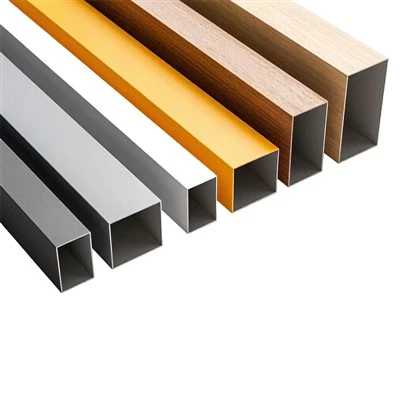
Non - grid ceiling tiles, in contrast, offer a smooth and continuous surface. They blend seamlessly with the ceiling, giving a more refined and elegant look. This makes them a popular choice for residential spaces such as living rooms and bedrooms, as well as high - end commercial areas like hotels and art galleries. For example, False Ceiling Aluminium Panels can create a sleek and contemporary aesthetic when used as non - grid tiles, enhancing the overall visual appeal of the room.
Installation Process
The installation process for grid and non - grid ceiling tiles also differs significantly. Installing grid ceiling tiles requires more time and skill. First, the grid system must be suspended from the ceiling using wires or brackets. This requires precise measurements and leveling to ensure the grid is straight and even. Once the grid is in place, the tiles are simply placed into the grid cells. While this may seem straightforward, proper installation is crucial to prevent sagging or misaligned tiles.
Non - grid ceiling tiles, however, have a relatively simpler installation process. If the ceiling surface is clean and flat, the tiles can be directly attached using an adhesive, nails, or screws. This makes them a quicker option, especially for DIY projects. For example, Pvc Plastic Ceiling Panels can be easily installed by homeowners with basic DIY skills, saving on installation costs.
Functionality and Performance
In terms of functionality, grid ceiling tiles have several advantages. The suspended design allows easy access to the plenum space above the ceiling. This is extremely useful for maintenance and repairs of electrical, plumbing, and HVAC systems. If there is a leak or a malfunction in the wiring, the tiles can be easily removed to access the problem area without causing significant damage to the ceiling.
Non - grid ceiling tiles, on the other hand, offer better acoustic performance in some cases. Since they are directly attached to the ceiling, they can provide a more continuous barrier against sound transmission. For spaces where noise reduction is a priority, such as recording studios or classrooms, non - grid tiles like Perforated False Ceiling Tile can be a great choice. The perforations in the tiles help to absorb sound waves, reducing echo and noise levels.


Cost Considerations
When it comes to cost, both grid and non - grid ceiling tiles have their own cost structures. Grid ceiling tiles generally have a lower material cost, especially for basic models. However, the installation cost can be higher due to the need for a grid system and the additional labor required for installation. In addition, the cost of the grid system itself can vary depending on the material and quality.
Non - grid ceiling tiles may have a higher material cost, especially for high - end materials like aluminum or wood. However, the installation cost is often lower, especially if the project is a DIY job. Overall, the total cost of a non - grid ceiling installation can be more budget - friendly for smaller projects or when the existing ceiling is in good condition.
Durability and Maintenance
Grid ceiling tiles are known for their durability. The grid system provides support to the tiles, preventing them from sagging or warping over time. In addition, individual tiles can be easily replaced if they are damaged. This makes grid ceiling tiles a practical choice for high - traffic areas or spaces where the ceiling is prone to damage.
Non - grid ceiling tiles are also durable, but the maintenance can be more challenging. If a non - grid tile is damaged, it may be difficult to replace without causing damage to the surrounding tiles. However, with proper installation and care, non - grid ceiling tiles can last for many years. For example, Aluminum Linear Ceiling is a durable option that requires minimal maintenance, making it suitable for both residential and commercial applications.
Design Flexibility
Grid ceiling tiles offer a high degree of design flexibility. The grid system allows for a wide range of tile patterns and arrangements. You can create geometric patterns, use different tile colors, or mix and match tile styles to achieve a unique look. This makes grid ceiling tiles a popular choice for designers and architects who want to create a custom - designed ceiling.
Non - grid ceiling tiles also offer design flexibility, but in a different way. They can be used to create a seamless and continuous surface, or they can be installed in a way that creates a textured or patterned effect. For example, Aluminum Open Cell Ceiling can be arranged in different configurations to create a unique and dynamic ceiling design.
Conclusion
In conclusion, the choice between grid and non - grid ceiling tiles depends on various factors, including aesthetic preferences, installation requirements, functionality, cost, durability, and design flexibility. Grid ceiling tiles are ideal for spaces where accessing utilities is a priority, such as commercial buildings and basements. They offer a structured look and are relatively easy to maintain. Non - grid ceiling tiles, on the other hand, are perfect for spaces where a smooth and seamless appearance is desired, such as residential interiors and high - end commercial areas. They can provide better acoustic performance and are often a more budget - friendly option for smaller projects.
As a ceiling tiles supplier, I am here to help you make the right decision for your project. Whether you need grid or non - grid ceiling tiles, we have a wide range of products to meet your needs. If you are interested in learning more about our ceiling tile options or have any questions about the installation process, please feel free to contact us for a consultation. We look forward to working with you on your next project.
References
- Interior Design Basics: A Comprehensive Guide. Author unknown.
- Ceiling Tiles: Types, Installation, and Maintenance. Building Materials Journal, Volume 12, Issue 3.